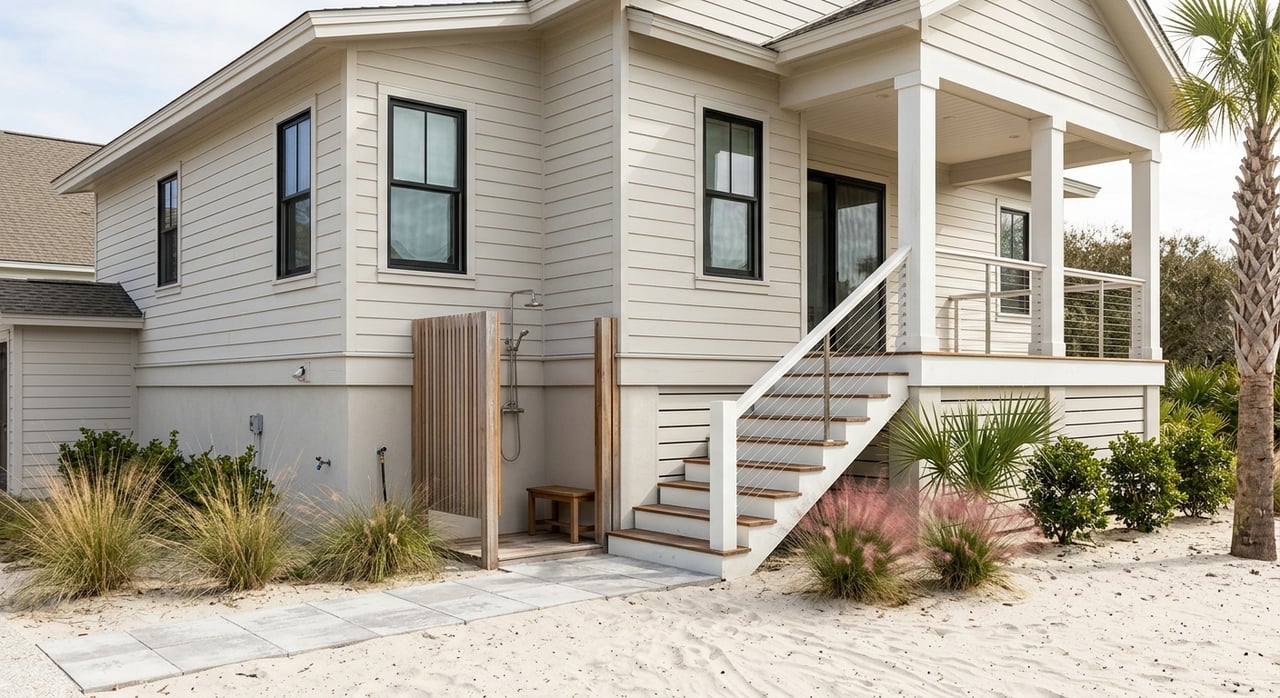
Trying to choose between a condo and a beach house on Pensacola Beach? You are not alone. Many buyers love the idea of owning on the island, but the right fit often comes down to how you want to use the property, how much control you want, and what level of ongoing cost feels comfortable. This guide breaks down the biggest tradeoffs so you can compare both options with more confidence. Let’s dive in.
Start With the Big Difference
On Pensacola Beach, this choice is usually not about whether one option is “good” and the other is “bad.” It is about matching the property type to your goals.
In general, condos tend to offer a lower entry price than detached homes. Current public market snapshots show Pensacola Beach condos around a median listing price near $699,000, while broader home sale and single-family listing figures are higher, with reported medians around $843,000 for sales and about $799,950 for single-family listings.
That means you are often choosing between a shared-ownership property with a lower upfront cost and a standalone coastal home with a higher price point and more independence. On Pensacola Beach, that tradeoff matters even more because ownership, repairs, insurance, and rental use can all work a little differently than buyers expect.
Compare Lifestyle Fit First
Why a condo appeals to many buyers
A condo often makes sense if you want a more lock-and-leave experience. If this will be a second home, a part-time getaway, or a property you do not want to manage heavily from a distance, a condo can feel simpler on the day-to-day side.
You may also like having less exterior maintenance on your plate. Under Florida condo law, the association is generally responsible for maintaining common elements and handling certain repairs or replacements based on the condominium documents.
The tradeoff is that you give up some control. You will likely have more rules, shared decision-making, and exposure to dues, reserve changes, and possible special assessments.
Why a beach house appeals to other buyers
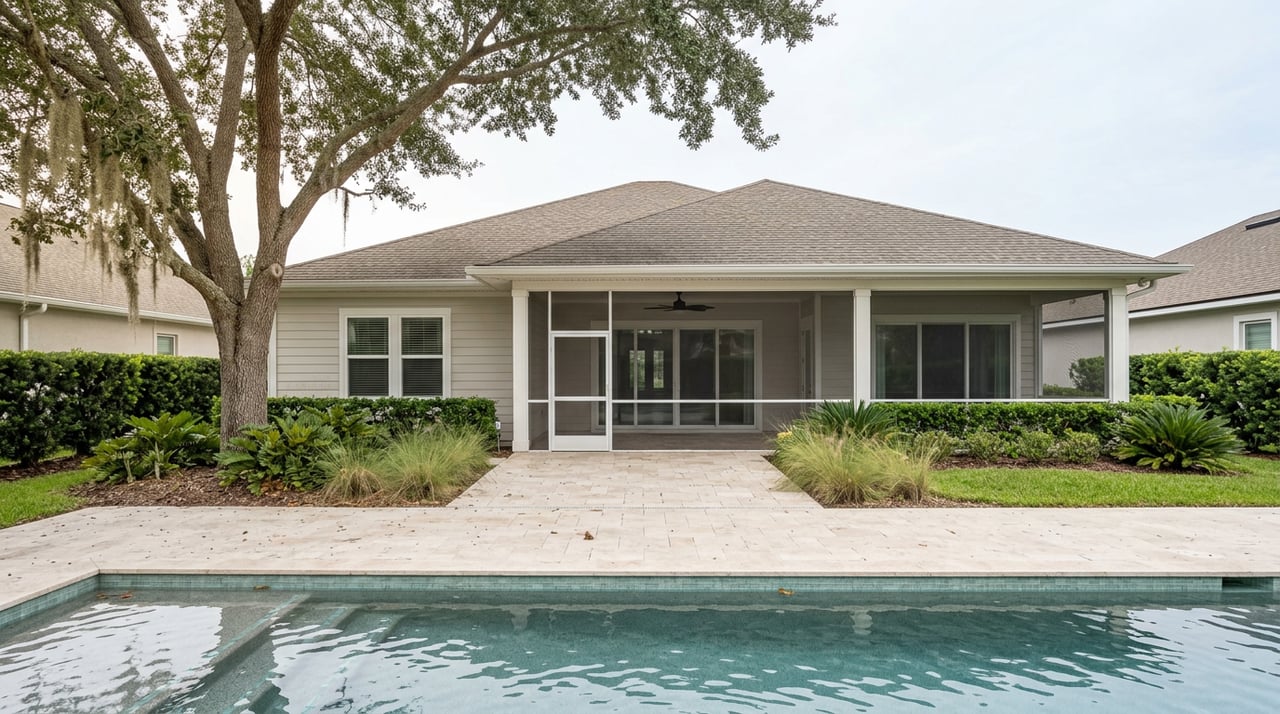
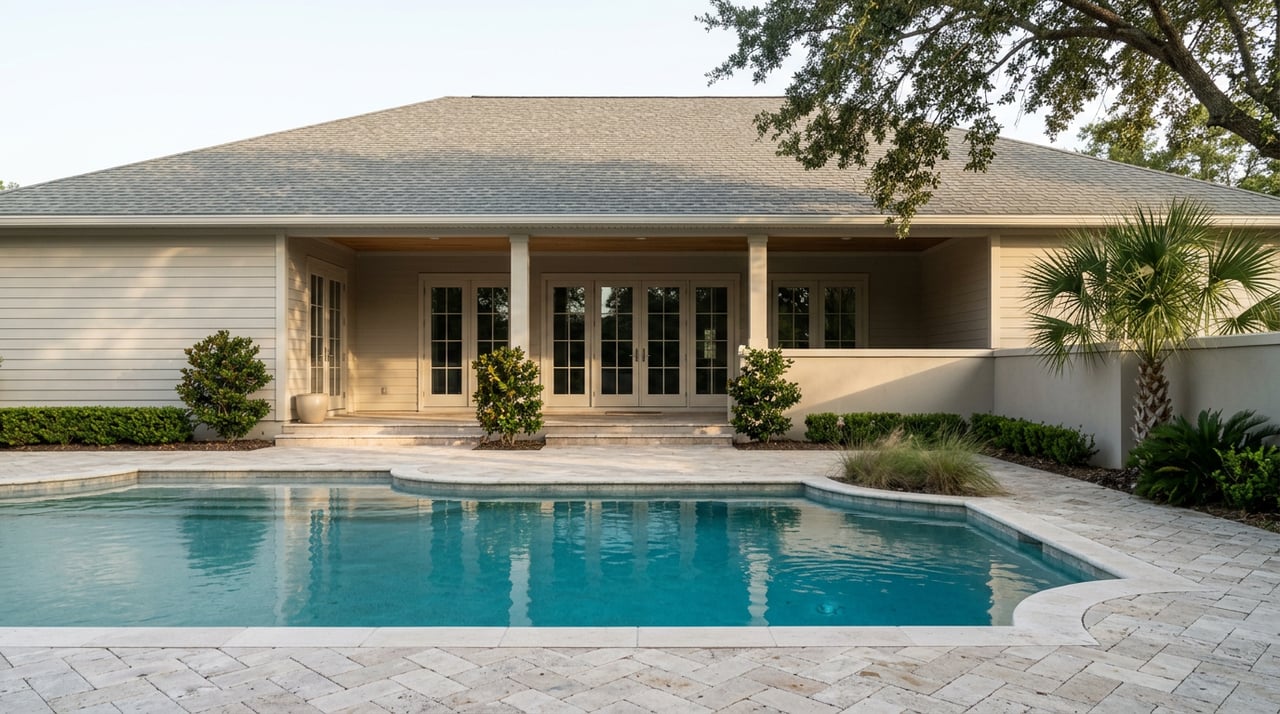
A detached beach house is often the better fit if you want more privacy, more outdoor space, and a more traditional single-family feel. You usually have greater control over how you use the property, subject to local rules, lease requirements, and any applicable restrictions.
That freedom comes with more responsibility. With a beach house, you are more directly responsible for repairs, maintenance, storm prep, insurance decisions, and renovation planning.
On Pensacola Beach, there is another layer to understand. Escambia County says the land on Pensacola Beach is owned by the county and administered by the Santa Rosa Island Authority, with a large share of residential and commercial property operating through a lease structure. That means buyers should review lease terms and SRIA rules alongside the deed and other property documents.
Understand the Real Cost of Ownership
Property taxes matter more than many buyers expect
Escambia County lists the Pensacola Beach total 2025 millage at 12.7185 mills. In simple terms, that is about $12,718.50 per $1 million of taxable value before any exemptions.
That makes property tax a meaningful line item whether you buy a condo or a beach house. If you are comparing monthly carrying costs, it is smart to look beyond the purchase price and factor taxes into the full picture.
Homestead is not automatic
Some buyers assume they will qualify for a homestead exemption, but that is not always the case. Escambia County says the exemption is available only to permanent Florida residents who occupy the property as their permanent home on January 1.
For many vacation condos and second-home beach houses, that means no homestead benefit. If this will not be your permanent primary residence, make sure your budget reflects that.
Condo dues are not just a side note
A condo may cost less to buy, but you need to look closely at the association budget and reserve planning. Florida law requires many residential condo buildings that are three habitable stories or higher to complete a structural integrity reserve study at least every 10 years.
These studies cover major components such as the roof, structure, fire protection systems, plumbing, electrical systems, waterproofing, and windows and doors. Florida law also says associations that fall under these reserve requirements cannot simply vote to fund less than required for those covered items.
That is important because dues can rise over time. Special assessments, loans, lines of credit, and regular assessments can all play a role in how reserves are funded.
Beach houses shift more costs to you directly
With a detached house, there is usually no condo association handling common-area maintenance or reserve funding in the same way. Instead, more of the maintenance, repair planning, and capital costs fall directly on you as the owner.
That can be a plus if you want control. It can also mean larger surprises if a storm, exterior repair, or major system issue hits at the wrong time.
Insurance Works Differently for Each Option
Condo insurance is not all-inclusive
Many buyers assume the condo association’s master policy covers everything. It does not.
Florida’s CFO insurance guide says an HO-6 condo policy covers your personal property, liability, and certain building items not insured by the association. The same guide notes that the association’s master policy may not cover interior items such as floor, wall, and ceiling coverings, electrical fixtures, appliances, built-in cabinets and countertops, and window treatments.
The guide also says condo owners may be assessed for common-area losses or reserve shortfalls, and the HO-6 policy must include at least $2,000 of loss-assessment coverage. So when you review a condo, look at both the unit policy you would need and the association’s financial strength.
Beach house insurance is broader but more direct
For a beach house, Florida’s guide says an HO-3 homeowners policy generally covers the dwelling, unattached structures, personal property, liability, and medical payments. If the home will be rented, the guide points to dwelling policies such as DP-1 or DP-3 instead of a standard owner-occupied policy.
That means detached-home buyers need to think carefully about intended use. A property you use personally can require a different insurance setup than one you plan to rent.
Flood insurance deserves close attention
Flood coverage is separate from a standard homeowners policy. FEMA states that most homeowners insurance policies do not cover flood damage, and properties in high-risk flood areas with mortgages from government-backed lenders are required to carry flood insurance.
FEMA also identifies Zone VE as a coastal high-hazard area, and Florida’s coastal vulnerability assessment projects VE zone expansion across much of the developed Pensacola Beach area over time. Whether you are considering a condo or a house, verify the flood zone, elevation, and insurance quote before you make an offer.
Rental Use Is Never a Simple Assumption
Condo rental flexibility depends on the community
If rental income is part of your plan, do not assume every condo allows the same use. Florida law requires condo disclosure materials to explain unit-use restrictions and leasing restrictions, and any leasing restriction in the declaration or an amendment must be disclosed clearly.
That means rental flexibility is building-specific. One condo may be friendly to short-term rentals, while another may have minimum lease periods or other limitations that change the numbers.
Beach house rentals still come with rules
A detached house may offer more control, but rental use is still shaped by taxes, local operations, and island rules. In Florida, rentals of six months or less are subject to the 6% state sales tax, any county discretionary surtax, and Escambia County’s 5% tourist development tax.
With Escambia County’s current discretionary surtax at 1.5%, that puts the combined short-term rental tax burden at 12.5% before other operating costs. If you are buying for income, you should also factor in cleaning, management, insurance, and maintenance.
Guest management affects both property types
On Pensacola Beach, county beach laws prohibit glass on the beach, open flames and private grills on the beach, and leaving beach items out overnight. These may sound minor at first, but they can affect guest instructions, turnover routines, and owner expectations.
There is also the Bob Sikes Toll Bridge cost to remember. Escambia County notes a $1 per vehicle crossing, plus a $2.50 monthly administrative fee for Toll-by-Plate users.
Repairs and Renovations Can Take More Planning
On Pensacola Beach, repair and renovation timelines may involve more than standard county permitting. Escambia County says permit applications on Pensacola Beach must be approved by the SRIA Floodplain Administrator before submission to Escambia County Building Services.
County storm-repair guidance also says all work on Pensacola Beach requires SRIA approval based on the lease. If you are buying an older condo unit to update or a beach house that may need post-storm work at some point, this extra layer is worth understanding early.
A Practical Way to Choose
If you are torn between the two, start with how you plan to use the property most of the time. Your answer usually points you in the right direction faster than price alone.
A condo may be the better fit if you want:
- Lower entry price compared with many detached homes
- Less exterior maintenance responsibility
- A second home that feels easier to lock and leave
- Potential rental use in a community that allows it
- Shared building systems and common-area management
A beach house may be the better fit if you want:
- More privacy
- More outdoor space
- More control over the property itself
- A traditional single-family home feel
- Flexibility that is less tied to condo association rules
What to Verify Before You Offer
No matter which direction you lean, a careful review matters on Pensacola Beach. The smartest buyers verify the property’s operating reality, not just the photos and asking price.
Before you move forward, review:
- Flood zone and elevation
- Insurance quote for intended use
- Full monthly carrying costs
- HOA budget, reserves, and recent assessments for a condo
- Condo leasing restrictions and use rules
- Lease terms and SRIA requirements where applicable
- Repair or renovation approval process
- Short-term rental tax impact if you plan to rent
A condo is not automatically easier, and a beach house is not automatically better. The right choice is the one that fits your budget, your risk tolerance, and the way you want to enjoy Pensacola Beach.
If you want help comparing specific properties, reading the numbers clearly, and spotting the details that matter before you commit, connect with Team Bruce Baker, MBA - RE/MAX Infinity.
FAQs
What is usually cheaper to buy on Pensacola Beach, a condo or a beach house?
- Public market snapshots show condos generally come in lower than detached homes on entry price, though exact pricing varies by location, view, building, and rental rules.
What extra costs should I expect with a Pensacola Beach condo?
- In addition to taxes and insurance, you should budget for HOA dues, reserve funding, and the possibility of special assessments.
What extra costs should I expect with a Pensacola Beach beach house?
- You will usually take on more direct responsibility for maintenance, repairs, storm prep, homeowners insurance, and flood insurance planning.
Do Pensacola Beach condos always allow short-term rentals?
- No. Condo rental rules are community-specific, and Florida law requires leasing restrictions and unit-use restrictions to be disclosed in the condo documents.
Does flood insurance matter for Pensacola Beach property purchases?
- Yes. Standard homeowners policies generally do not cover flood damage, and flood insurance may be required in high-risk areas depending on the loan and flood zone.
Is Pensacola Beach ownership different from a typical mainland purchase?
- Yes. Escambia County says Pensacola Beach land is administered through the Santa Rosa Island Authority lease framework, so buyers should review lease terms and SRIA requirements along with the rest of the property documents.