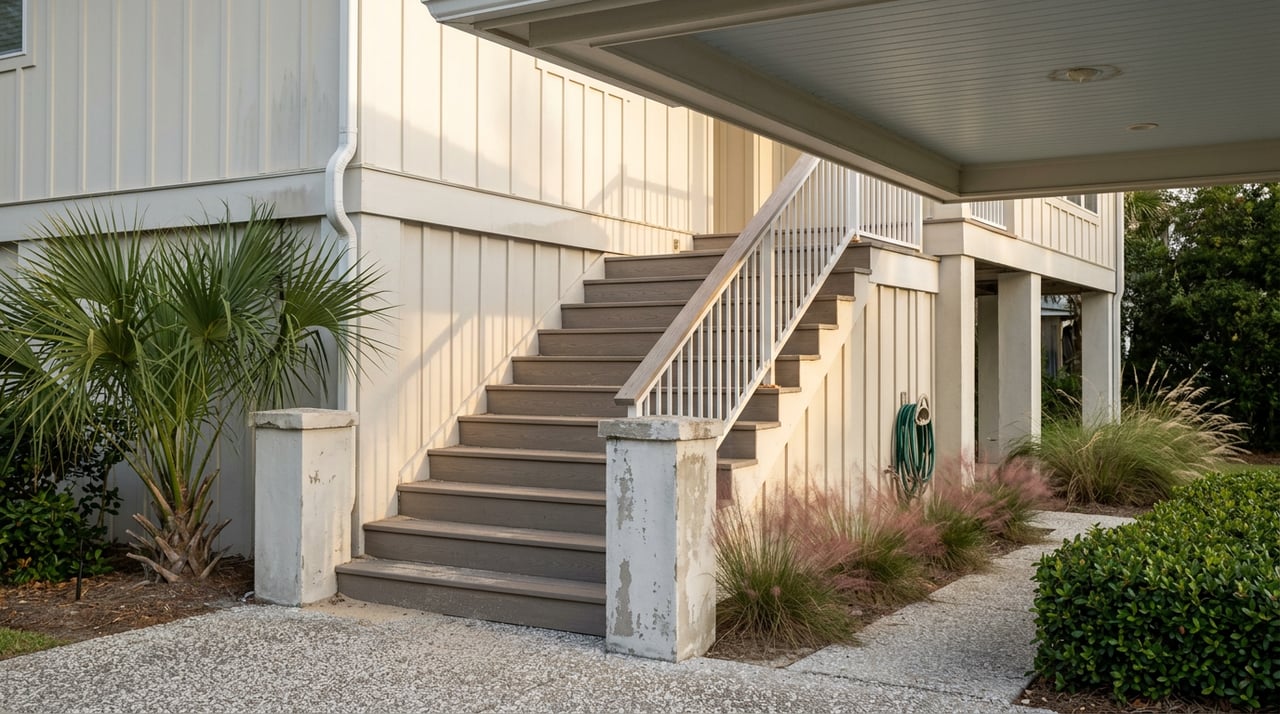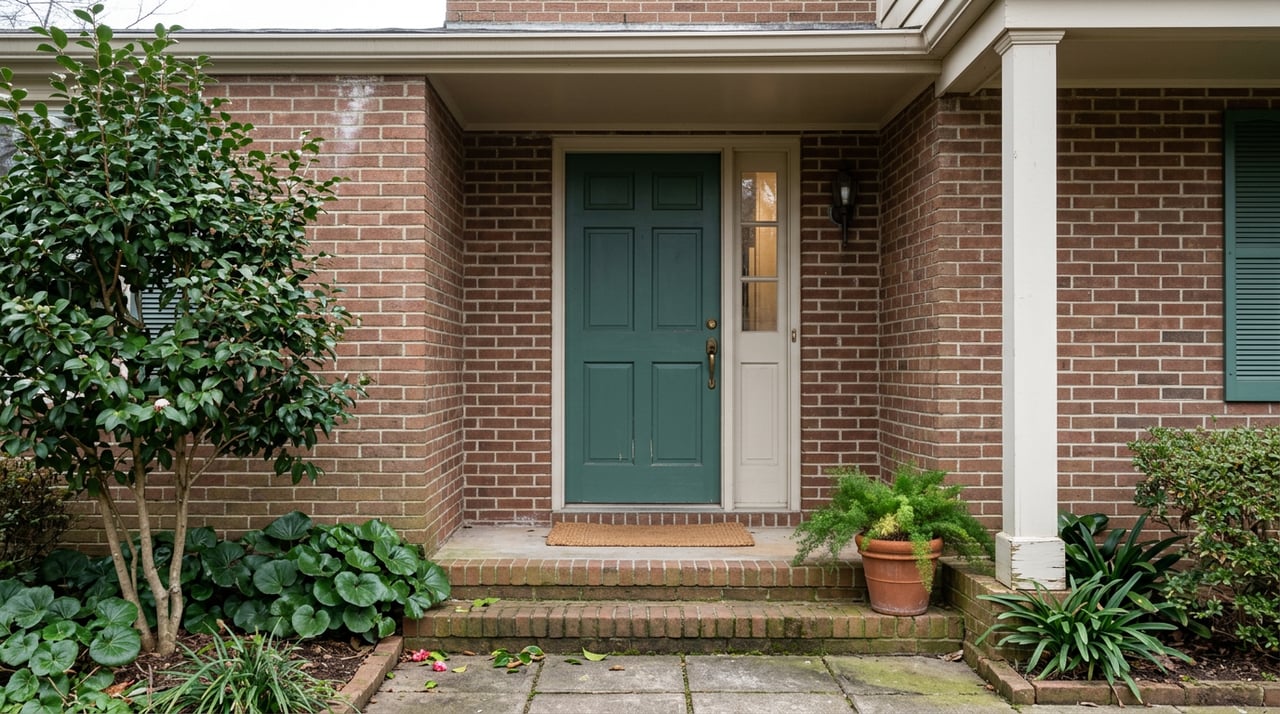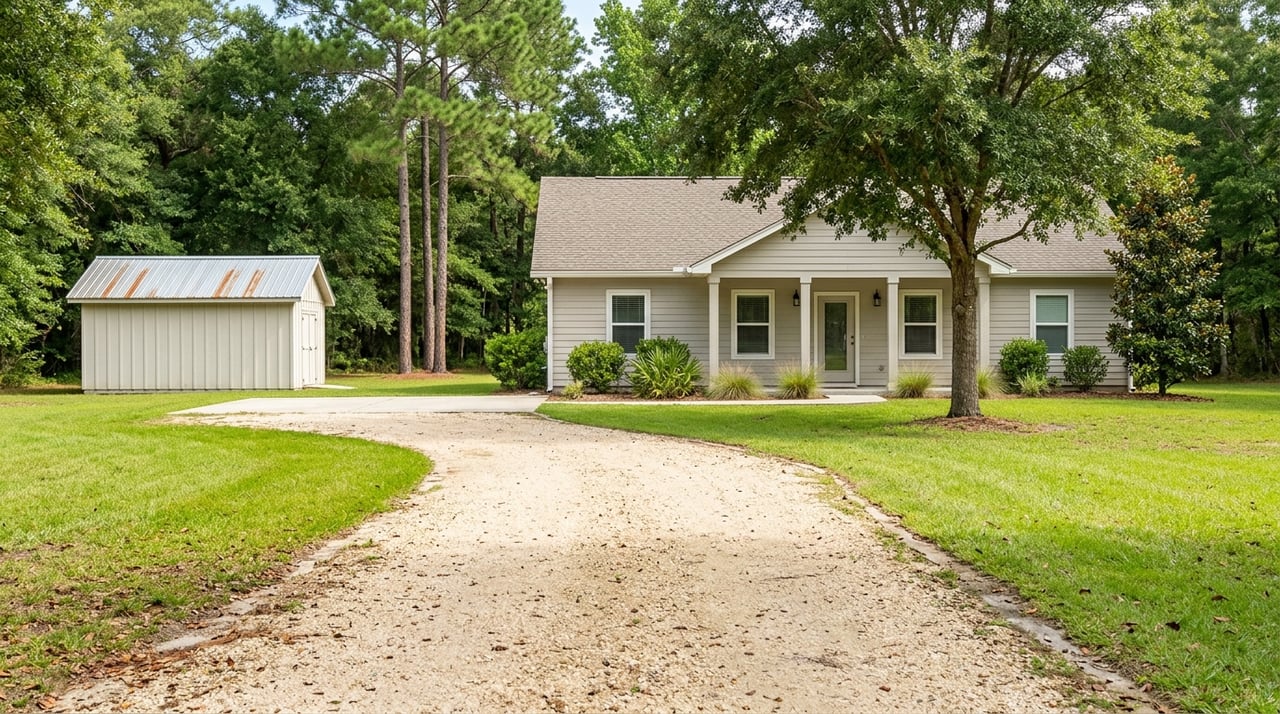
Looking for more room without feeling cut off from Pensacola? North Pensacola, including Cantonment and Molino, offers a different kind of lifestyle built around acreage, outdoor access, and a quieter setting. If you want space for a workshop, a barn, or simply a little more privacy, this part of Escambia County deserves a closer look. Let’s dive in.
Why North Pensacola Feels Different
Cantonment and Molino sit north of Pensacola in an area shaped by low-density residential, agricultural, and rural land uses. In fact, Escambia County describes Cantonment as a gateway to the more rural and agricultural areas of northern Escambia County, located about 10 miles north of Pensacola.
That setting creates a very different experience from central Pensacola or the beach areas. Instead of tighter suburban blocks, you will often find larger parcels, more open land, and a lifestyle that depends more on your specific property than on a typical neighborhood pattern.
Escambia County’s planning documents also show that growth is happening in the northern part of the county, while land use planning is aimed at protecting the natural environment. That means you can find places with room to grow, but it is still important to understand how a parcel is zoned and what that means for future use.
What Buyers Like About Cantonment And Molino
For many buyers, the biggest draw is simple: space. In North Pensacola, space can mean larger lots, more distance between homes, and more flexibility for how you use your property.
You may be drawn to this area if you want:
- More privacy than a typical in-town neighborhood
- Acreage for outdoor living or recreation
- Room for detached shops, barns, or storage buildings
- Property with rural character while staying within reach of Pensacola
- Access to river and outdoor recreation nearby
This lifestyle tends to appeal to buyers who value quiet surroundings and elbow room. It may be less appealing if your top priority is dense retail, walkability, or city-style infrastructure, since the county describes these areas as intentionally low-density with limited suburban or urban infrastructure.
How Zoning Shapes Property Options
One of the most important things to understand in Cantonment and Molino is that not every parcel works the same way. The area includes different zoning districts, and those rules can strongly affect what you can build, keep, or change.
Rural Residential Parcels
In Escambia County’s Rural Residential, or RR, district, detached single-family homes are generally allowed on large lots. The county says the maximum density is one dwelling unit per four acres, and stables are allowed on lots of two acres or more.
That can make RR parcels attractive if you want a home with land and some flexibility for rural-style living. Still, even in RR zoning, the exact allowed uses should be verified for the specific parcel before you buy.
Agricultural Parcels
In the Agricultural, or Agr, district, the county says urban and suburban infrastructure is intentionally absent, and the district is intended for routine agricultural production of plants and animals. Single-family dwellings are allowed at very low density, with a maximum of one dwelling unit per 20 acres.
For buyers looking at larger tracts, hobby-farm potential, or agricultural-related uses, this can be a major advantage. It also means you need to be especially careful about verifying what is permitted before making plans for a home, outbuilding, or future expansion.
Why Parcel Verification Matters
A community name alone does not tell you everything you need to know. In North Pensacola, one property may be very different from the next, even if both have Cantonment or Molino mailing addresses.
Before you buy or build, the county recommends using its zoning and land use verification resources to confirm parcel-specific details. That step can help you avoid surprises about density, outbuildings, agricultural uses, or future plans for the land.
Acreage Living Comes With Tradeoffs
More land can open up more possibilities, but it also brings more homework. Rural and semi-rural properties often require a closer look at access, utilities, drainage, and development rules.
If you are shopping in Cantonment or Molino, it helps to think beyond square footage and ask how the property actually functions day to day. A beautiful parcel may still need research on utility providers, flood risk, or permitting requirements before it is the right fit.
Utilities And Services Can Vary
North-county living is often more location-based when it comes to services. Escambia County lists providers such as Molino Utilities and Farm Hill Utilities in Cantonment, and service details can differ by address.
That is why buyers should verify utility access and providers early in the process. This is especially important if you are considering a property for future improvements, a detached building, or a more specialized rural use.
Permitting Is Part Of The Process
Escambia County also advises property owners to check with building inspections before they build, alter, re-grade, or fill land, since permits may be required. In a more rural area, that extra step matters because the physical features of the land can shape what is practical and what is allowed.
The county’s Molino Permitting Office on Highway 29 is another reminder that this area has local support services, but the process is still more parcel-specific than what many buyers expect in a standard subdivision.
Rivers And Outdoor Access Add To The Appeal
North Pensacola living is not only about extra land. It is also about getting closer to the natural side of Escambia County.
Escambia County highlights Lake Stone Campground as a 100-acre campground and boat-ramp facility in the northern part of the county. The county also identifies Fillingim Landing on the Perdido River as a public access point for canoe and kayak launching, swimming, picnicking, and the Perdido River Paddle Trail.
For buyers who want a home base near outdoor recreation, that can be a major plus. The area also includes the Escambia County Equestrian Center, a 151-acre venue with nature trails, which fits the broader rural and outdoor character of the north end.
Flood Research Is Essential
When land, rivers, and open space are part of the appeal, flood and drainage research becomes even more important. Escambia County notes that it has floodplains on three sides and that the north end faces hazard vulnerabilities including heavy-rain flooding and riverine flooding along the Escambia River.
That does not mean every property is high risk, but it does mean you should check each address carefully. A river-adjacent property, low-lying parcel, or homesite with drainage concerns may require a different level of due diligence than a typical in-town lot.
What To Check Before You Buy
The county’s address information tool can help you review parcel details including hurricane evacuation zone information. Buyers should also confirm flood zone and elevation-related concerns by address before closing.
This step is just as important if you plan to improve the property later. The county notes that substantial damage or substantial improvements can trigger floodplain compliance requirements, so it helps to understand the property from the start.
What Sellers Should Highlight
If you are selling in Cantonment or Molino, the details that matter most are often different from what matters in a more typical suburban listing. Buyers looking in this area usually want to understand how the property can be used, not just how it looks.
Strong listing information may include:
- Total acreage
- Current zoning
- Utility provider information
- Flood status or evacuation zone details
- Existing outbuildings, barns, or workshops
- Any agricultural features or rural-use improvements
Clear documentation can make your listing easier to evaluate and more attractive to serious buyers. This is where a data-driven, detail-focused approach can help your property stand out.
Is North Pensacola Right For You?
Cantonment and Molino can be a great fit if you want room to spread out while staying connected to the Pensacola area. You may find the lifestyle especially appealing if your goals include privacy, outdoor access, larger lots, or property with flexible rural potential.
The key is to match the property to the way you want to live. In North Pensacola, the best opportunities often come from understanding the land itself, the zoning behind it, and the practical details that shape daily life.
If you are thinking about buying or selling in Cantonment or Molino, working with a team that values local research, clear property positioning, and strong marketing can make the process much easier. Connect with Team Bruce Baker, MBA - RE/MAX Infinity to explore North Pensacola real estate with a strategy built around facts, presentation, and your goals.
FAQs
What is North Pensacola living like in Cantonment and Molino?
- North Pensacola living in Cantonment and Molino is generally lower-density and more rural than central Pensacola, with a mix of residential, agricultural, and outdoor-oriented property settings.
How much land can you get in Cantonment or Molino?
- It depends on the parcel and zoning, but Escambia County’s Rural Residential zoning allows up to one dwelling per four acres, while Agricultural zoning allows up to one dwelling per 20 acres.
Can you build a barn or workshop on North Pensacola property?
- Possibly, but allowed uses depend on the parcel’s zoning and land use, so you should verify those details with Escambia County before buying or building.
Do North Pensacola buyers need to check flood zones?
- Yes, buyers should review flood-related and evacuation information by address because parts of north Escambia County face heavy-rain and riverine flooding risks.
Is Cantonment close enough to Pensacola for commuting?
- Yes, Escambia County places Cantonment about 10 miles north of Pensacola, which gives it a rural feel while keeping it connected to the city.
What should sellers include in a Cantonment or Molino listing?
- Sellers should clearly document zoning, acreage, utility provider details, flood status, and any outbuildings or agricultural features that affect how the property can be used.