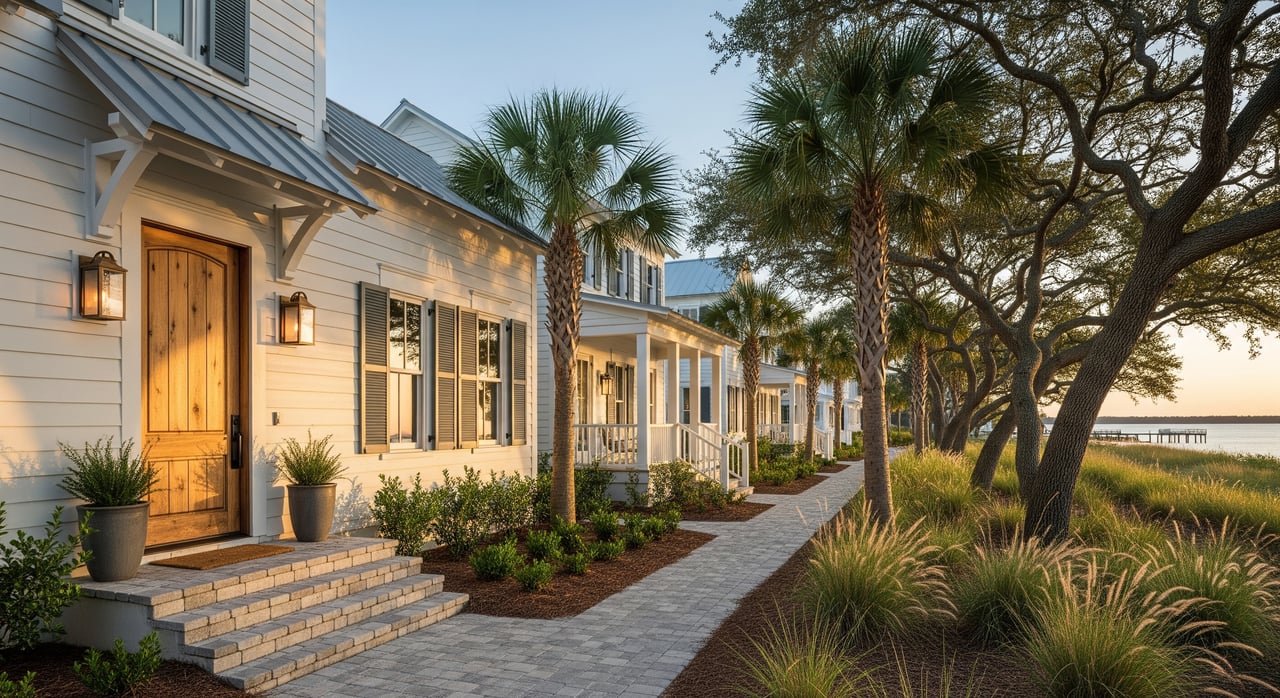
Thinking about a simpler, low‑maintenance home near the water? If you are weighing a condo or townhome in Gulf Breeze, you are not alone. Many buyers want easy coastal living without the constant upkeep of a detached house. In this guide, you will see how condos and townhomes differ in ownership, maintenance, insurance, fees, and coastal factors so you can move forward with clarity. Let’s dive in.
Condo vs. townhome basics
How condos work
In a Florida condominium, you own your individual unit plus a shared interest in the common elements. Community rules and responsibilities follow the condominium declaration, bylaws, and the association’s policies under the Florida Condominium Act. In many communities, the association maintains the exterior structure, roof, building envelope, and shared systems. You are usually responsible for your interior finishes and personal property unless the condo documents say otherwise.
How townhomes work
With a townhome, you typically own the structure and the lot as fee simple property. Many townhome communities include a homeowners association that manages shared areas and amenities under Florida’s HOA statutes. In many cases, you will maintain your exterior walls, roof, and yard areas that sit on your lot. Some HOAs contract certain exterior items, so responsibilities vary by community.
The rule that matters most
Labels are only a starting point. The recorded declaration, covenants, and bylaws set the actual maintenance and insurance duties for each community. Always review those documents before you decide which type fits your needs.
Maintenance, insurance, and fees
Who maintains what
- Condos: Associations commonly handle the exterior, roof, landscaping, and common systems. You typically take care of interior repairs and finishes.
- Townhomes: Owners often maintain the exterior and roof, while the HOA focuses on shared roads, landscaping at entries, and amenities. Some townhome HOAs include exterior upkeep, so confirm the details in writing.
Tip: Ask for a written summary of what the association maintains versus what you maintain. Then verify it in the governing documents.
Insurance to budget for
- Condos: The association usually carries a master policy for common elements and often the building shell. You will likely need an HO‑6 policy for interior improvements, personal property, liability, and loss assessment coverage.
- Townhomes: You often need a full dwelling policy similar to an HO‑3, plus personal property and liability, because you typically own the exterior and roof. The HOA’s insurance usually covers only common areas.
- Coastal factors: Flood and wind coverage are often separate from standard homeowners or master policies. If a property is in a Special Flood Hazard Area, mortgage lenders typically require flood insurance.
Association fees and reserves
- Condo fees often cover exterior maintenance, master insurance, landscaping, common‑area utilities, management, and amenities. Some communities include services such as trash or internet.
- Townhome HOA dues usually cover shared areas, management, and amenities. Exterior or roof maintenance may not be included.
- Reserves and assessments matter. Associations in both setups collect regular dues and may levy special assessments for large projects. Low reserves increase the risk of surprise costs.
What to request: The current budget, financial statements, reserve balances, recent meeting minutes, details on any special assessments, and proof of the master insurance policy.
Gulf Breeze coastal factors
Flood risk and elevation
Gulf Breeze sits near Pensacola Bay and the Gulf of Mexico, so flood exposure varies by neighborhood and building. Check the property’s flood zone and ask for an elevation certificate if available. Elevation and construction details can influence flood insurance costs and underwriting.
Hurricanes, wind, and insurance market
Coastal Santa Rosa County properties face wind exposure. Wind mitigation features like impact windows, roof shape, and proper tie‑downs can help with premiums. Florida’s coastal insurance market changes over time, so get quotes from local insurance agents who work in Gulf Breeze and ask about both state‑backed and private options.
Taxes and homestead
If you plan to live in the home as your primary residence, Florida’s homestead exemption may reduce your taxable value. Save Our Homes protections can also limit how much your assessed value can increase each year on a homesteaded property. Check the Santa Rosa County Property Appraiser for local procedures and deadlines.
Lifestyle and commute
Many buyers choose Gulf Breeze to be close to the water, marinas, and outdoor recreation. If you commute to Pensacola or NAS Pensacola, test drive the route at your typical time of day. Local vendors who understand coastal maintenance are available, but you should still vet references and response times.
Rental rules
If you plan to rent the property, review the association’s leasing rules and any county ordinances. Associations often set minimum lease terms, registration requirements, or limits on short‑term rentals. Confirm these rules in writing before you buy.
Pros and cons
Condos
Pros:
- Lower day‑to‑day maintenance because the association handles the exterior and common systems.
- Often close to water access, pools, and shared amenities.
- Good for downsizers and lock‑and‑leave living.
Cons:
- Monthly assessments can be higher if the association covers more components.
- Risk of special assessments, especially in older buildings with deferred projects.
- Rules may limit personalization or short‑term rental flexibility.
Townhomes
Pros:
- More control over your structure and lot, with a single‑family feel.
- Often lower HOA dues when the association covers only limited common areas.
- Private entrances and some outdoor space without full yard upkeep of a detached house.
Cons:
- More responsibility for exterior and roof maintenance in many communities.
- Coastal hardening and insurance can still be a factor for exteriors.
- Weak or underfunded HOAs can lead to deferred upkeep of shared infrastructure.
Which is right for you
- Downsizers seeking minimal upkeep and social amenities: A financially strong condo community may fit best.
- Busy professionals who want lower dues and some private outdoor space: A townhome can be a great middle ground if the HOA has clear exterior policies.
- Seasonal owners or investors: Both options can work, but rental rules, insurance needs, and association stability will determine fit.
Buyer due‑diligence checklist
Documents to request
- Declaration, covenants, bylaws, and rules.
- Current budget, financial statements, and reserve balances.
- Reserve study and planned capital projects for the next 1 to 5 years.
- Board meeting minutes for the past 12 to 24 months.
- Association master insurance certificate and details.
- Any recent or pending special assessments and reasons.
- Leasing and pet policies.
- Litigation history for the association.
- Survey, flood zone designation, and any elevation certificate.
- Home inspection; for condos, consider a building‑level review of common elements if possible.
- Insurance quotes for owner coverage and flood insurance.
- Disclosure of any maintenance or drainage issues.
Questions to ask
- What does the association insure, and what must the owner insure?
- What are the current monthly dues, and when were they last increased?
- Are capital projects expected soon, and are special assessments planned?
- What are the rental rules and any minimum lease terms?
- How are maintenance requests handled, and who manages after‑hours emergencies?
- What reserves exist for the roof, building envelope, and roads, and when were these components last replaced?
- Has the association filed recent insurance claims for storm or flood damage?
Local professionals to involve
- A real estate agent experienced in Gulf Breeze condos and townhomes.
- A local insurance agent familiar with coastal wind and flood policies.
- A real estate or HOA attorney for complex documents or disputes.
- A home or building inspector who understands coastal construction.
- If you plan to rent, a property manager or HOA management reference.
Next steps in Gulf Breeze
If you want low‑maintenance living near the water, both condos and townhomes can work. The difference comes down to the governing documents, the association’s financial health, and how insurance and flood risk affect your total cost. A data‑driven review of the documents and numbers will help you choose with confidence.
If you are ready to compare specific communities, our team can help you request the right documents, line up insurance quotes, and weigh long‑term costs. Connect with Team Bruce Baker, MBA - RE/MAX Infinity to talk through your goals and map a clear path forward.
FAQs
What is the main legal difference between a condo and a townhome in Florida?
- Condos follow the Florida Condominium Act and typically split ownership between a unit interior and shared common elements, while townhomes are usually fee simple ownership of the structure and lot within an HOA governed by separate statutes.
How do condo fees compare to townhome HOA fees in Gulf Breeze?
- Condo dues often run higher because they cover exterior maintenance, master insurance, and common systems, while townhome HOAs may cover only shared areas and amenities, resulting in lower dues but more owner responsibility.
Do I need flood insurance for a condo or townhome in Gulf Breeze?
- If the property is in a Special Flood Hazard Area, lenders typically require flood insurance; even outside those zones, many owners choose flood coverage due to coastal exposure.
What should I review in a condo association before buying in Santa Rosa County?
- Review the budget, reserves, recent board minutes, any special assessments, the master insurance policy, and the governing documents to confirm maintenance and insurance responsibilities.
Can I use a Gulf Breeze condo or townhome as a short‑term rental?
- It depends on the association’s rules and any county ordinances; check minimum lease terms, registration requirements, and any restrictions before you buy.