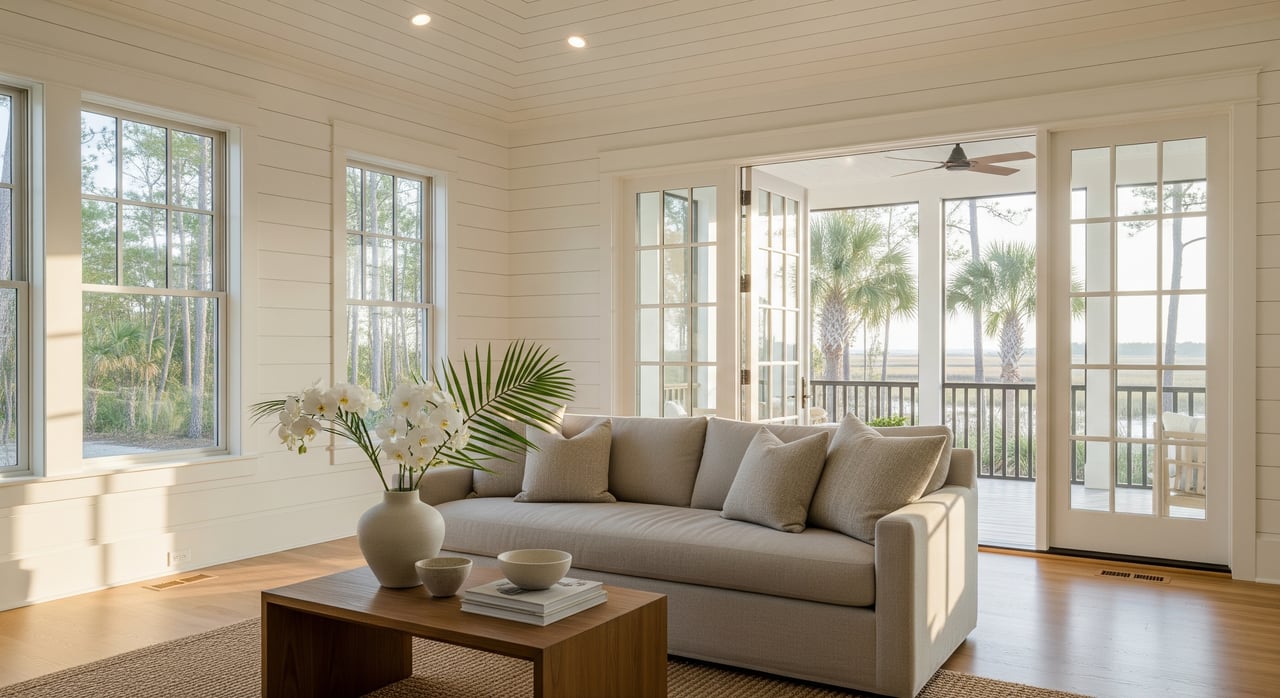
Is your Pace home almost ready to hit the market, but you want to sell fast and for a strong price? You are not alone. With buyer activity driven by nearby Pensacola jobs and military moves, the homes that look the best and launch cleanly often move first. In this guide, you will get a practical, local plan to prepare your property, time your listing, and avoid slowdowns once the offers roll in. Let’s dive in.
Pace market basics and timing
Well-prepped homes tend to attract more showings, stronger first offers, and fewer days on market. Industry research consistently shows that clean, repaired, staged homes with professional photos sell faster and can achieve better sale-to-list performance. While the exact numbers vary by neighborhood and condition, presentation makes a clear difference.
Pace sits in Santa Rosa County near Pensacola and NAS Whiting Field, so demand often reflects transfers, commuting patterns, and regional employment. Spring is a common peak for buyer activity, but Florida’s climate extends active selling periods beyond the national norm. Keep hurricane season in mind when scheduling exterior work or open houses. Your best move is to prepare early, then choose a launch week based on fresh, local data.
Your 2–12 week prep plan
Use this checklist to plan your pre-listing work. Adjust timing based on your home’s size, condition, and contractor availability.
Week 0–2: Declutter and deep clean
- Remove excess furniture, personal photos, and countertop clutter so rooms feel open.
- Organize closets to show storage potential; pack and store off‑season items.
- Book a professional deep clean for kitchens, baths, floors, and windows.
- Address odors from pets and cooking; clean HVAC returns and appliance seals.
Time: 1–7 days for declutter, 1–3 days for cleaning. Typical cost: Free to $300 for haul-away, $150 to $500 for deep cleaning.
Why it matters: Decluttering and clean surfaces make your photos pop and help buyers visualize themselves in the home.
Week 0–2: Curb appeal basics
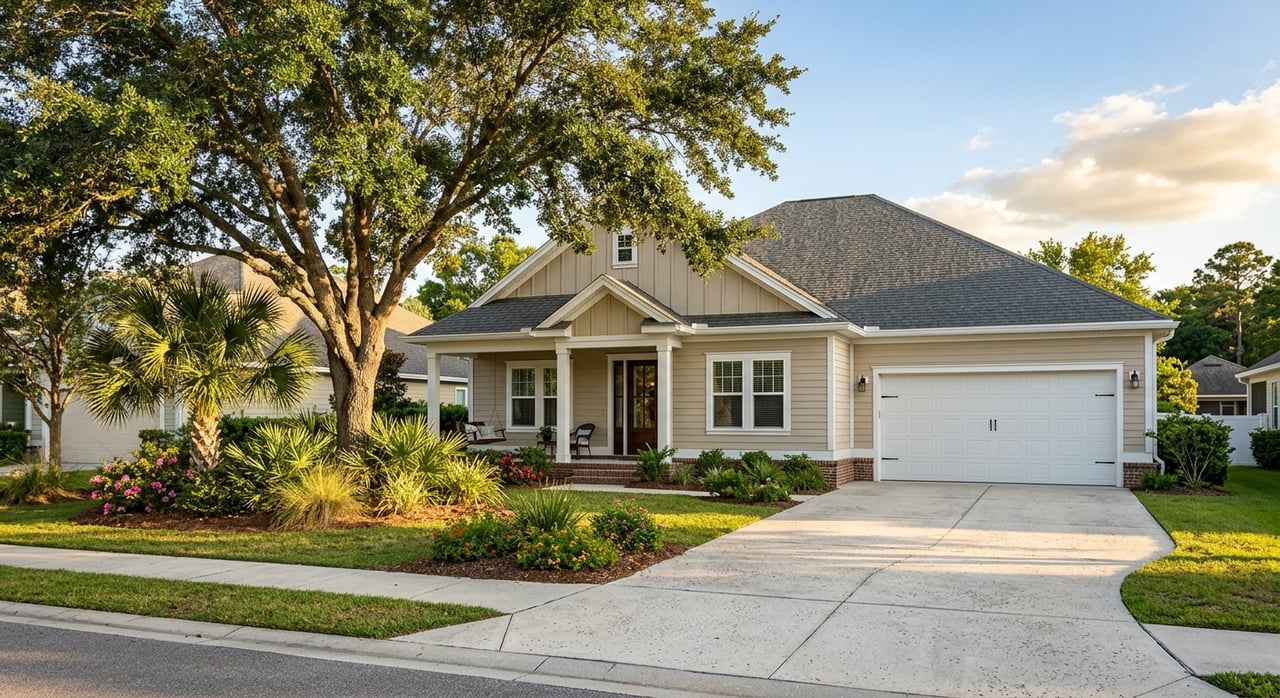
- Mow, edge, and trim shrubs; add fresh mulch where beds look tired.
- Pressure wash driveway, walkways, and siding as needed.
- Clean windows and screens; touch up or repaint the front door.
- Update front hardware, porch light, and house numbers if worn.
Time: 1–7 days. Typical cost: $200 to $2,000 depending on DIY vs. professional work.
Why it matters: Strong first impressions increase online clicks and in‑person showings.
Week 2–4: Repairs and safety
- Fix leaky faucets, loose handrails, squeaky doors, and cracked tiles.
- Replace burned‑out bulbs and ensure smoke detectors function.
- Change HVAC filters; confirm the water heater and major systems are working.
- Consider a pre‑listing inspection to identify hidden issues early.
Time: 1–14 days depending on scope. Typical cost: $100 to $2,000 for small fixes; pre‑listing inspection often $300 to $600.
Why it matters: Small defects become negotiation points and can slow contracts.
Week 2–4: Paint and cosmetic refresh
- Repaint bold or worn walls with fresh, neutral colors that brighten rooms.
- Touch up trim, doors, and baseboards where scuffs show.
- If cabinets are dated but sound, consider refinishing or painting.
Time: 3–10 days. Typical cost: $1,000 to $4,000 for a whole‑home interior refresh, or $200 to $1,500 per room.
Why it matters: Neutral paint is one of the best value improvements for resale.
Week 3–6: Flooring and visible wear
- Professionally clean carpets or replace heavily worn areas.
- Deep clean or refinish hardwoods if scratched; repair floor transitions.
- Use area rugs to soften rooms and unify mixed surfaces where appropriate.
Time: 3–14 days. Typical cost: Carpet cleaning $75 to $300; carpet replacement $1,500 to $5,000+; hardwood refinishing $2,000 to $7,000+.
Why it matters: Worn flooring reduces perceived value and can stall offers.
Week 3–6: Targeted kitchen and bath updates
- Update faucets, lighting, and cabinet hardware for a modern look.
- Regrout or recaulk where needed; replace a damaged vanity top.
- Keep updates simple and cohesive with the rest of the home.
Time: 1–6 weeks based on scope. Typical cost: Minor kitchen refresh $500 to $5,000; targeted bath updates $250 to $3,000.
Why it matters: Buyers focus on kitchens and baths, and light updates often produce a stronger near‑term return than full remodels.
Week 4–8: Staging plan
- For occupied homes, follow a stager’s plan to edit and rearrange.
- For vacant homes, consider partial or full staging to define spaces.
- Expect a consultation for $150 to $500; full staging often starts around $1,500+ per month for typical homes.
Time: 1–3 days for setup. Why it matters: Staging helps buyers understand room function and scale, and it creates scroll‑stopping photos.
Final week: Photo day and launch prep
- Complete a final clean and touch‑ups; remove last‑minute clutter.
- Schedule pro photography with daylight and twilight shots.
- Confirm showing instructions, lockbox placement, and sign installation.
- Finalize pricing with your agent based on current comps and inventory.
Photography typically costs $150 to $500. Expect 25–40 high‑res images, plus optional floor plans, drone images, or a 3D tour when appropriate.
Staging that sells in Pace
Focus on the rooms buyers value most. Keep colors neutral and accessories minimal so the space shines.
- Highest impact: Living room, primary bedroom, kitchen, and main bath.
- Next: Dining area, entryway, and outdoor living spaces.
- Lower: Secondary bedrooms and closets, which should be clean and organized.
Room tips:
- Kitchen: Clear counters, remove fridge magnets, add a simple fruit bowl or vase.
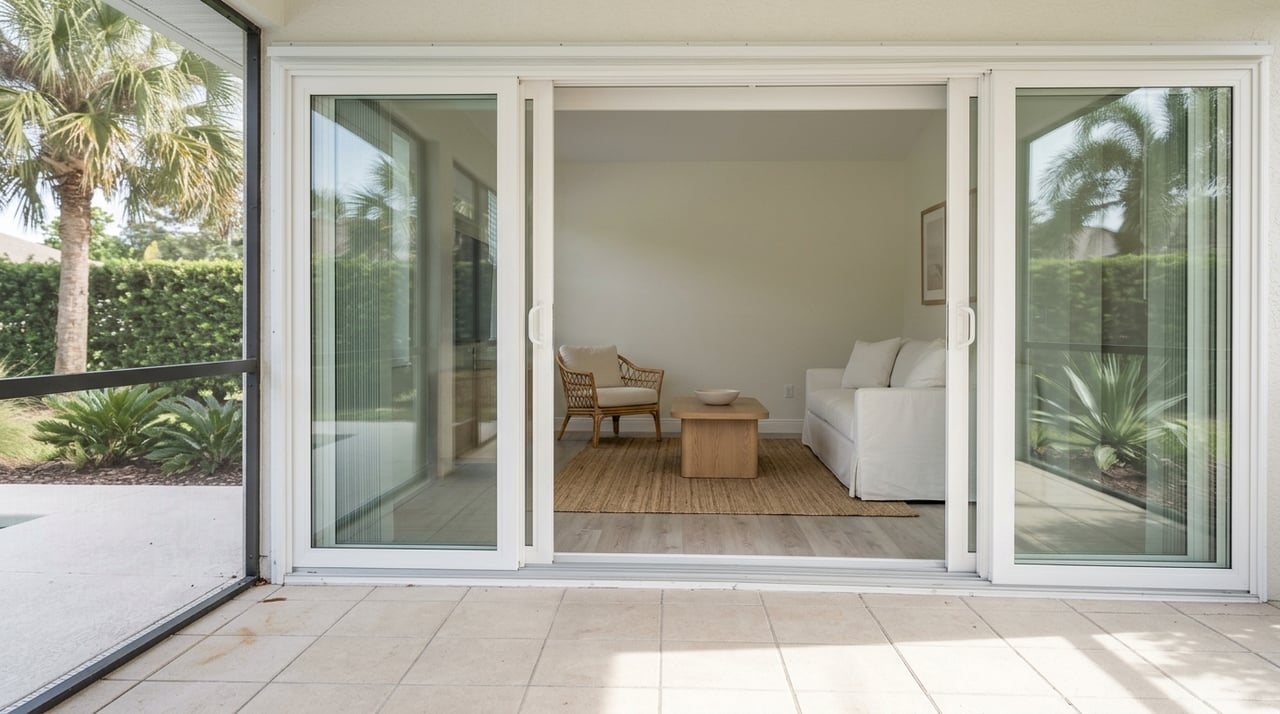
- Living room: Arrange furniture to show traffic flow and a focal point. Balance natural and lamp lighting.
- Primary bedroom: Use neutral linens and fewer pieces of furniture to create space.
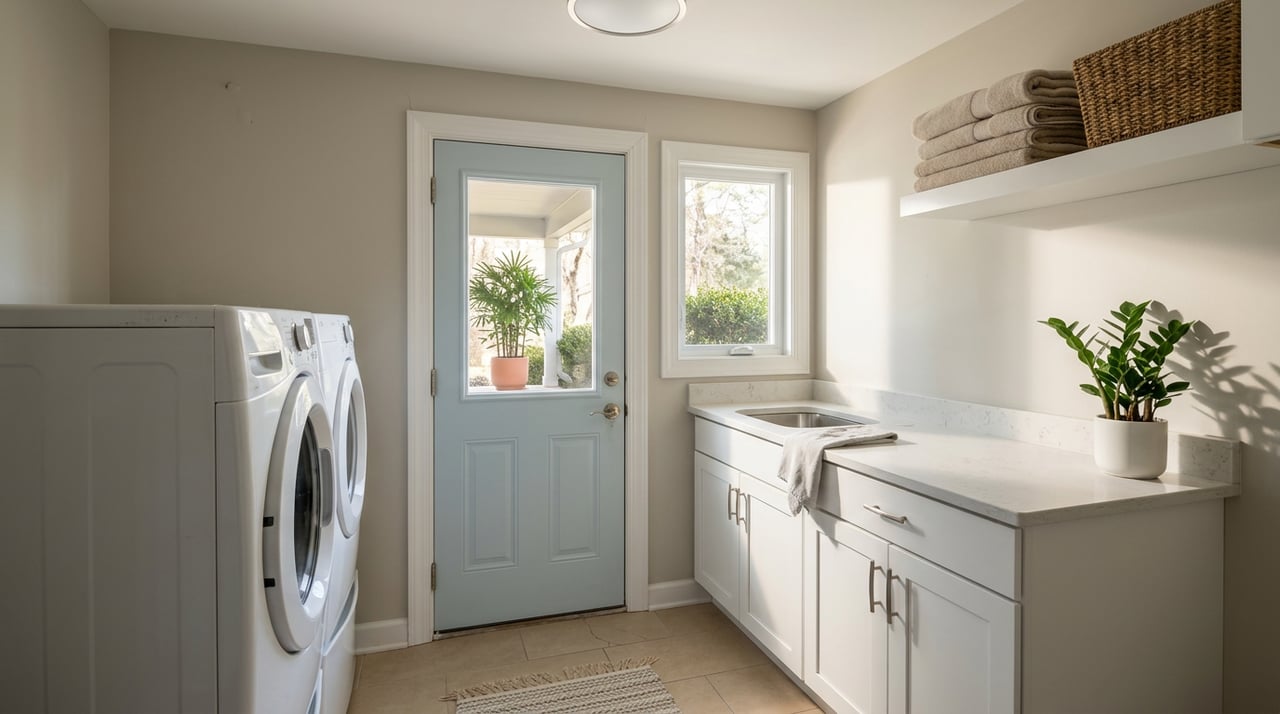
- Bathrooms: Hide personal items, replace worn towels and mats, and polish fixtures.
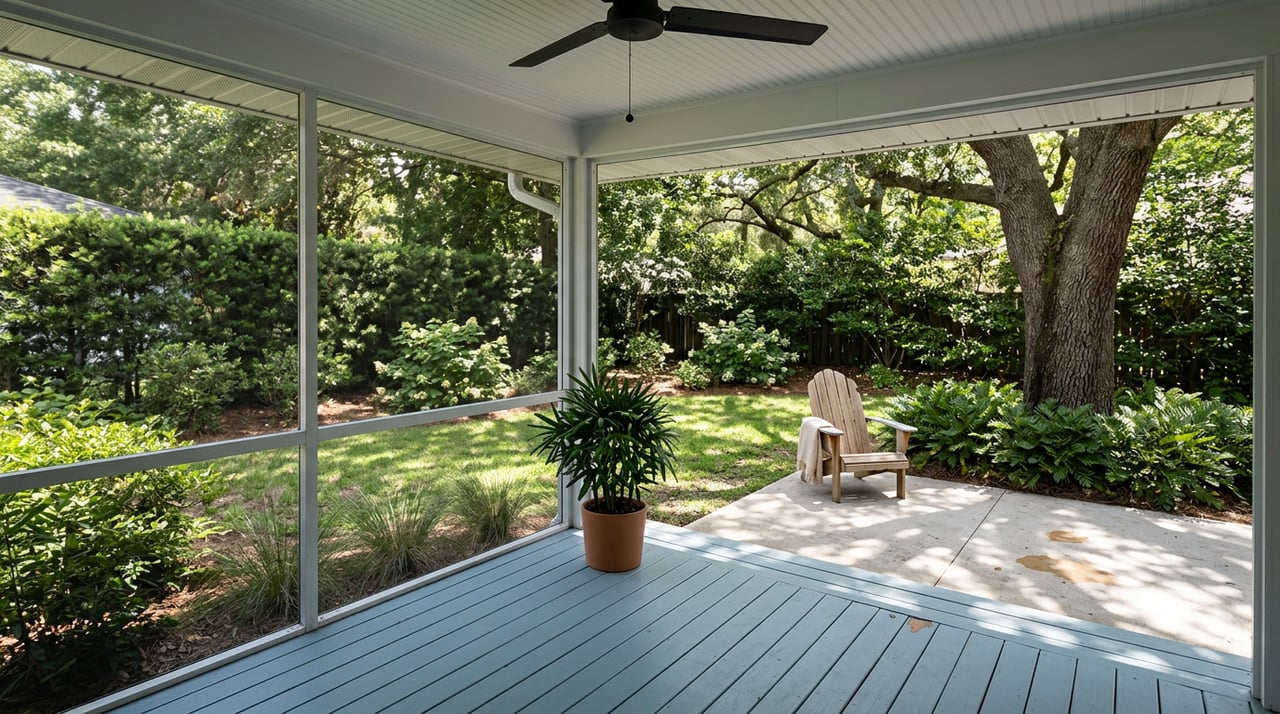
- Outdoor areas: Clean and stage seating, add potted plants, and pressure wash patios or decks.
Photography and tours that convert
Professional images are essential. Plan for bright, even lighting and straight lines. Ask your photographer to avoid lens distortion and to include twilight exteriors for curb appeal. Drone photos work well for larger lots or context shots where rules allow. Many buyers also expect a short video or 3D tour, especially for suburban homes where out‑of‑area buyers are common.
Deliverables to request:
- 25–40 edited, high‑resolution photos suited for web and print.
- Twilight exteriors for hero images.
- Optional add‑ons: floor plan, 3D tour, or drone views when helpful.
Pricing and launch strategy
Even the best presentation will lag if pricing misses the market. Ask your agent for a current comparative market analysis for Pace and nearby zip codes. Review recent pendings and new listings, not just closed sales, to understand buyer momentum and your competition.
If data supports it, some sellers price strategically to drive early traffic and multiple offers. Others aim for the top of the likely range based on updates and location. In both cases, align your strategy with real-time inventory and condition.
Local disclosures and risk checks
Selling in Florida includes specific disclosure duties. Prepare these items early to build buyer confidence and reduce escrow delays.
- Seller disclosures: Florida requires you to disclose known facts that materially affect the property’s value, plus a lead‑based paint disclosure for homes built before 1978.
- Flood and elevation: Flood risk varies across Santa Rosa County. Check current flood zone information and be ready to provide an elevation certificate if in a designated zone or if requested. Disclose any past flood damage, claims, or mitigation.
- Hurricane and roof documentation: Confirm roof age and keep receipts and permits for storm repairs.
- Permits: Disclose any unpermitted work. Verify permit history with county records and address issues before listing.
- HOA or deed restrictions: Assemble rules, bylaws, budgets, and current assessments if applicable.
What to gather now
Pull this documentation together while you prep the house:
- Prior inspection reports, repair invoices, and warranties.
- Permits and permit history, plus roof age documentation.
- Survey, title information, and recent utility bills.
- HOA documents if applicable.
- Appliance manuals and receipts for recent updates.
Quick pre‑show checklist
Use this before each showing or an open house:
- Lights on in every room; blinds adjusted for even light.
- Thermostat set for comfort; ceiling fans on low if needed.
- Counters cleared; trash removed; fresh towels hung in baths.
- Litter boxes, pet beds, and personal items stored out of sight.
- Soft background music and a clean scent, not strong fragrances.
Why work with Team Bruce Baker, MBA
You want a smooth sale and a strong price. Team Bruce Baker, MBA delivers a data-informed process and premium presentation so your Pace listing stands out from day one. With 33+ years of experience, advanced business credentials, and a full-service team, you get pricing intelligence, in‑team staging, professional virtual tours, aerial photography, and organized transaction support. That combination attracts qualified buyers, creates better first impressions, and helps you move on your timeline.
Ready to sell faster?
If you are planning to list in the next 3 to 12 months, start with the simple steps above, then schedule your pricing review and media plan. For a tailored prep timeline, local comps, and a marketing strategy built for Pace, connect with Team Bruce Baker, MBA - RE/MAX Infinity.
FAQs
How soon should a Pace seller start prepping?
- Begin decluttering, cleaning, and small repairs 2 to 6 weeks before listing, and allow 8 to 12 weeks if you plan cosmetic updates or staging a vacant home.
What low‑cost updates help Pace homes sell faster?
- Fresh neutral paint, curb appeal, clean or refreshed flooring, and good lighting paired with professional photos and light staging typically deliver strong buyer response.
Is staging worth it for an occupied Pace home?
- Yes, a consultation that edits and rearranges what you already have often improves photos and buyer flow, while full staging is most helpful for vacant or dated homes.
Should I get a pre‑listing inspection in Santa Rosa County?
- Consider it to identify issues early, complete repairs on your schedule, and reduce surprises during the buyer’s inspection.
How do Florida disclosures affect my listing?
- You must disclose known material facts, provide a lead‑based paint disclosure for pre‑1978 homes, and share information on flood history, permits, and HOA items when applicable.
When is the best time to list in Pace?
- Spring often brings more buyers, but Florida’s active periods extend beyond spring; the best launch is when your home is show‑ready and local data indicates solid demand.