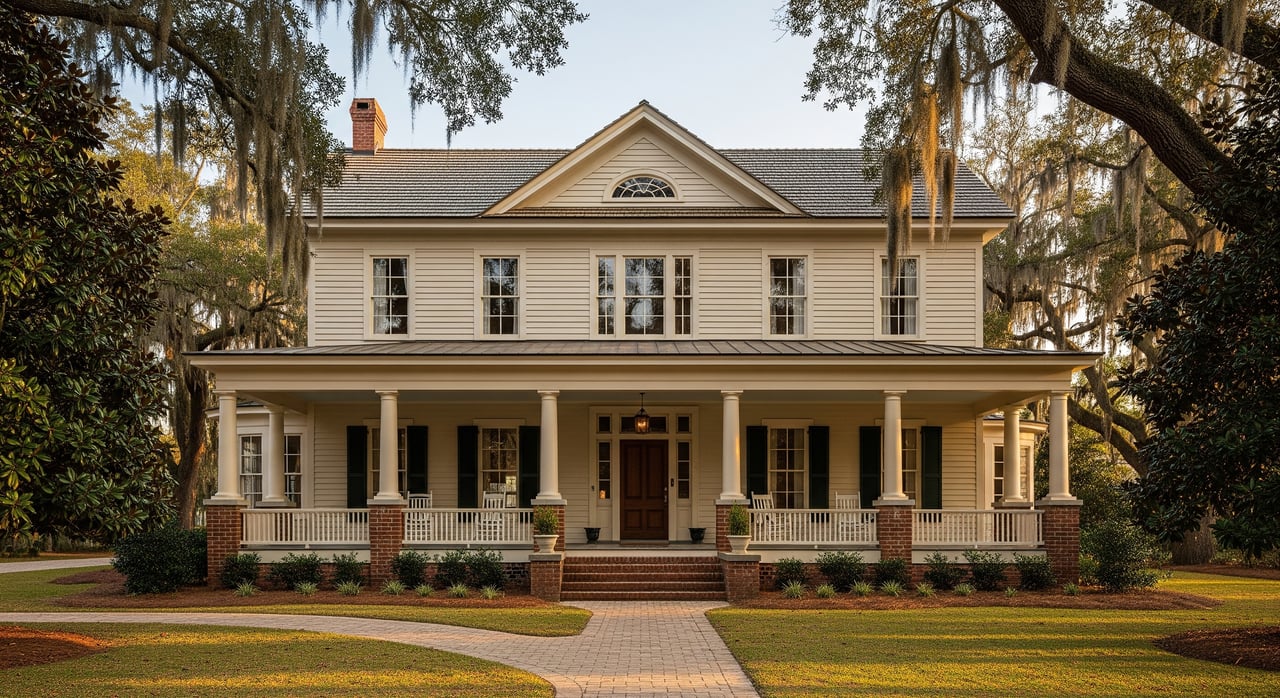
Imagine sipping coffee on a deep front porch, hardwood floors underfoot, and timeless details all around you. If you love character, East Hill’s historic homes can be hard to resist. At the same time, older properties come with unique systems, rules, and costs that are different from newer construction. In this guide, you’ll learn exactly what to look for, how to plan inspections and permits, and the financing and insurance steps that matter in Florida. Let’s dive in.
Why East Hill historic homes stand out
East Hill is a mature Pensacola neighborhood with many early to mid-20th-century homes. You’ll often see Craftsman bungalows, Mediterranean or Spanish Revival styles, and other period designs. Typical features include front porches, wood-frame construction, plaster walls, original wood windows and trim, built-ins, and hardwood floors.
Older homes offer charm and established streetscapes. They can also bring age-related risks. Common issues include outdated electrical or plumbing, single-pane windows, limited insulation, hidden rot or termite damage, possible asbestos in older materials, and deferred maintenance. Conditions vary block to block, and past alterations or care make a big difference.
Confirm historic status early
Before you plan changes, find out if the property is in a local historic district, individually designated, or simply an older home without designation. Local designation is what typically triggers design review for exterior changes. A National Register listing alone usually does not restrict private owners unless federal permits or funding are involved.
- Contact the City of Pensacola Historic Preservation Commission or Planning Department to verify status and review requirements.
- Ask the seller for any documentation related to historic status or past approvals.
What designation means for your plans
If the home is locally designated or in a local district, exterior work often requires review. Many municipalities allow “in-kind” repairs but review changes like siding, windows, porches, roof materials, and additions. The City commonly relies on design guidelines that reflect the Secretary of the Interior’s Standards for Rehabilitation. Ask for the local guidelines and examples of recent approvals so you know what’s typically allowed.
Permits and code basics
Older homes often need system updates. Almost all structural, electrical, plumbing, HVAC, and major envelope changes require permits and must meet the Florida Building Code. Request the property’s permit history early and confirm whether past work was properly permitted and inspected.
- Ask the seller for permit records, invoices, and warranties on major work.
- Get a list of required permits for your planned repairs or renovations.
- If you plan to disturb materials in a pre-1978 home, remember that lead-based paint rules apply. Renovators often must follow EPA Renovation, Repair and Painting (RRP) lead-safe practices.
Inspections to schedule for older homes
Hire inspectors with experience in older properties. A thorough inspection plan helps you budget accurately and avoid surprises.
- General home inspection by a licensed inspector familiar with historic homes
- Roof inspection for structure and coverings
- Electrical inspection for knob-and-tube, cloth wiring, aluminum, or undersized service
- Plumbing inspection for galvanized supply lines and cast-iron drains
- HVAC evaluation for age, capacity, and duct condition
- Termite/wood-destroying organism (WDO) inspection, as commonly required in Florida
- Moisture or mold assessment if there are signs of intrusion
- Structural or foundation review by a structural engineer if you see settlement, sagging floors, or major cracking
- Lead and asbestos testing if you plan renovations and suspect older materials
Common high-cost repairs to budget
- Roof replacement or roof framing repairs
- Electrical upgrades, including service panel and rewiring
- Major plumbing replacements, such as removing galvanized lines and replacing cast-iron drains
- Termite or dry rot remediation
- Foundation, porch, or floor structure repairs due to moisture
- Drainage, gutters, downspouts, and stormwater improvements
- Hazardous material handling, including lead paint stabilization and asbestos work
Energy efficiency realities
Many historic homes have single-pane windows and limited insulation. HVAC systems may be older or undersized. Plan for improvements like insulation, HVAC replacement, and compatible window strategies such as storms or selective restoration. If the home is designated, weigh retrofit choices against design-review requirements.
Insurance, wind, and flood in Florida
Insuring an older coastal-area home can be different from insuring newer construction. Florida policies often include separate wind or hurricane deductibles that are a percentage of dwelling coverage. Availability and cost can be higher in coastal regions.
- Get multiple quotes early, including wind and flood options. Citizens Property Insurance may serve as the insurer of last resort, depending on market conditions.
- Ask about wind mitigation credits. Roof-to-wall connections, approved opening protection, and secondary water barriers can reduce premiums if properly documented.
- Check FEMA Flood Insurance Rate Maps to see the flood zone. Flood insurance is not included in standard homeowners policies and may require an Elevation Certificate for underwriting.
- Ask insurers how they handle replacement of historic materials. Some policies limit matching or like-kind replacements. Specialty historic home policies or agreed-value coverage may be available.
Uninsurable issues or very high premiums can affect your loan options. Some insurers require certain repairs before issuing full coverage.
Financing and appraisals for historic homes
Well-maintained historic homes often qualify for conventional mortgages. When major repairs are needed, consider renovation financing.
- FHA 203(k) loans can finance purchase plus qualified renovation for owner-occupants.
- Fannie Mae HomeStyle Renovation offers a conventional option for projects.
- Local lenders with experience in older properties can help when condition is atypical.
Appraisals depend on comparable sales, and unique historic features can be valued differently. Required repairs can affect appraised value. Speak with a lender early to confirm loanability, appraisal expectations, and whether a renovation loan is a fit.
A practical due diligence checklist
Do a little homework before you fall in love with a front porch. This checklist keeps you organized from first look to closing.
Pre-offer
- Verify year built and legal description with the Escambia County Property Appraiser.
- Confirm any local designation and review rules with City of Pensacola historic preservation staff.
- Check FEMA flood maps and request an Elevation Certificate if the home is in or near a floodplain.
- Look up permit history with the City; open permits can be a red flag.
- Request seller disclosures, including any WDO reports, known defects, and past remediation.
Offer and inspection phase
- Use a comprehensive inspection contingency and budget for specialized inspections.
- Request copies of past permits, contractor invoices, and warranties.
- If the home is designated or within a local district, add a contingency to review your planned work with preservation staff or obtain a written determination of compatibility.
- Obtain preliminary insurance quotes for homeowners, wind, and flood. If coverage is unavailable or unaffordable, reassess affordability.
Before closing
- Get contractor bids for required or planned renovations and confirm experience with historic properties.
- Verify that seller-performed repairs were permitted and inspected.
- If using a renovation loan, confirm the lender’s rehab process and draw schedule.
- Secure an insurance binder effective on the closing date.
- Check for any local or county preservation easements or obligations.
Post-purchase planning
- Prioritize safety and code issues first, then roofing and drainage, termite and structural remediation, envelope and systems upgrades, and finally cosmetic restoration.
- Coordinate with historic preservation staff in advance for exterior or major interior work that could trigger review.
- Keep detailed records, permits, and invoices for future insurance needs, resale, or potential incentives.
Lead, asbestos, and other hazards
If the home was built before 1978, assume lead-based paint may be present. Sellers must provide required disclosures, and contractors often must follow EPA RRP lead-safe practices when disturbing painted surfaces. Some older materials may contain asbestos, which requires specific handling and abatement rules when disturbed. Plan testing before renovation and use qualified professionals.
Incentives and tax considerations
Federal historic rehabilitation tax credits generally apply to income-producing properties, not owner-occupied homes. Some local programs may offer grants or property tax benefits for certified work. Ask the City of Pensacola and Escambia County about any incentives for owner-occupied historic homes.
What to renovate first
Start with the essentials that protect the structure and your safety. Address electrical hazards, active leaks, roofing and drainage, and any termite-related damage. Then move to plumbing updates, HVAC, insulation, and moisture control. After that, tackle window strategies, millwork restoration, and finishes that preserve the home’s character.
Work with local specialists
Historic homes reward careful planning. You will want a general inspector versed in older construction, a structural engineer when needed, and contractors familiar with preservation-friendly repairs. It also pays to have a local real estate team that understands East Hill nuance, from permit history to insurance timing.
If you’re ready to explore East Hill’s character homes, our team can help you plan inspections, line up local experts, and negotiate with confidence. Connect with Team Bruce Baker, MBA - RE/MAX Infinity to take the next step.
FAQs
What inspections do East Hill historic homes usually need?
- Plan for a general inspection, roof, electrical, plumbing, HVAC, WDO, moisture assessment if warranted, and structural engineering if there are signs of movement or sagging.
How do Pensacola historic design reviews affect renovations?
- Local designation often requires review for exterior changes, while in-kind repairs may be treated differently; request the City’s design guidelines to see what is typically approved.
What insurance issues are common for older homes in Florida?
- Expect separate wind or hurricane deductibles, possible higher premiums, the need for wind mitigation documentation, and separate flood insurance if the property is in a mapped flood zone.
Can I use renovation loans to buy a historic home?
- Yes, FHA 203(k) and Fannie Mae HomeStyle can combine purchase and renovation costs, with lender rules and consultant requirements depending on scope.
Are there tax credits for restoring an East Hill home I live in?
- Federal rehab tax credits generally apply to income-producing properties; ask the City of Pensacola and Escambia County about any local grants or programs for owner-occupants.
What are typical big-ticket repairs in older Pensacola homes?
- Roof work, electrical and plumbing upgrades, termite or rot remediation, foundation or porch repairs, drainage improvements, and handling of lead or asbestos during renovations are common cost drivers.